Mammograms in 2026: What Portland Women Should Know About Breast Cancer Screening
Scheduling a mammogram may not be something you look forward to, but staying current with recommended breast cancer screening is an important part of caring for your health.
In 2026, the American Cancer Society estimates that approximately 321,910 women in the United States will be diagnosed with invasive breast cancer, and about 42,140 women will die from the disease. The average lifetime risk of developing breast cancer for a woman in the U.S. remains about 1 in 8.
At Just Like A Woman in Portland, Oregon, we work with women before and after breast surgery through personalized mastectomy fittings, breast forms, post-surgical garments and specialty bras. We do not provide breast cancer screening or mammograms, but we believe accurate breast health information is an important part of supporting the women and families we serve. Just Like A Woman’s current breast care services include pre-surgical and post-surgical fittings, mastectomy bras, breast forms, partial shapers and recovery garments.
Why Mammograms Matter
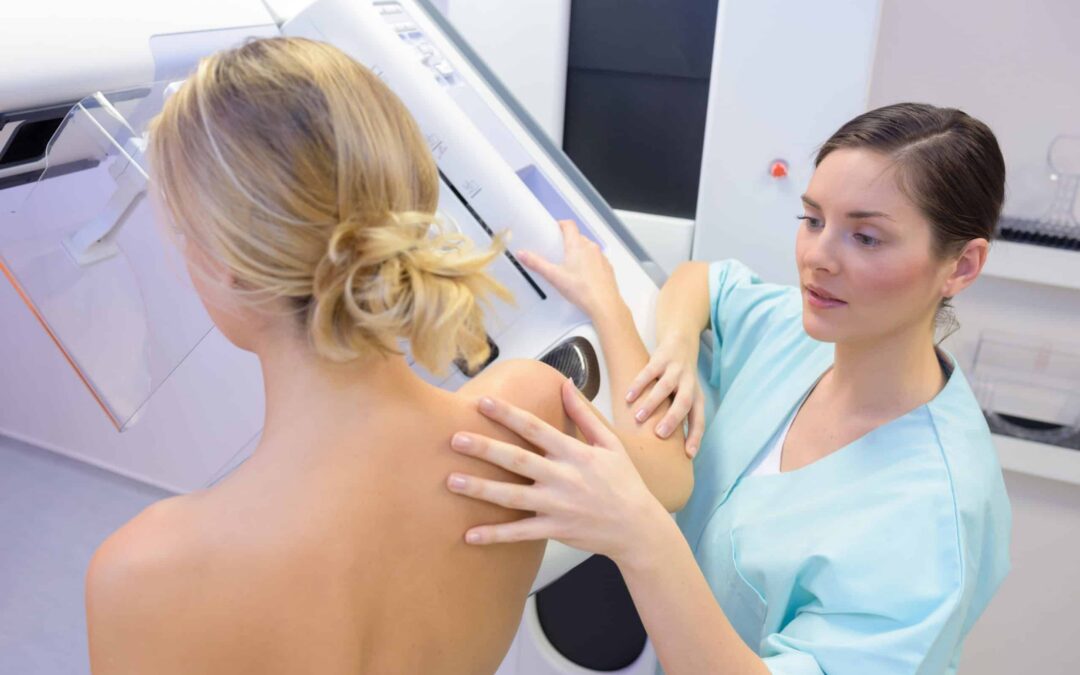
A mammogram is a low-dose X-ray of the breast used to look for signs of breast cancer before symptoms may be noticeable.
Screening mammography can detect breast cancers that are too small to feel, which can allow some cancers to be found at an earlier stage. The American Cancer Society attributes part of the long-term decline in U.S. breast cancer death rates to earlier detection through screening and improvements in treatment.
That does not mean mammography is perfect. Screening can lead to additional imaging, false-positive results and sometimes biopsies that ultimately show no cancer. The right screening schedule should reflect your age, personal risk and conversations with your healthcare provider.
When Should You Get a Mammogram in 2026?
You may have heard different recommendations about when to begin mammograms and how often to have them. That is because major medical organizations use somewhat different screening guidelines.
For women at average risk, the U.S. Preventive Services Task Force recommends a mammogram every two years from ages 40 through 74.
The American Cancer Society recommends a slightly different schedule. Women ages 40 through 44 have the option to begin annual mammograms, women ages 45 through 54 should receive mammograms every year, and women 55 and older may switch to every two years or continue annual screening. ACS recommends continuing screening while a woman is in good health and expected to live at least another 10 years.
These recommendations apply to women at average risk. Your healthcare provider may recommend a different plan based on your medical and family history.
What If You Are at Higher Risk for Breast Cancer?
Some women need more intensive breast cancer screening.
The American Cancer Society recommends that certain women at high risk receive a breast MRI and mammogram every year, typically beginning around age 30. This may include women with certain BRCA gene changes, a strong family history or previous radiation treatment to the chest at a young age.
If you are unsure about your breast cancer risk, talk with your healthcare provider rather than assuming the standard screening schedule is right for you.
Changes in your family history can also matter. A new breast or ovarian cancer diagnosis in a close relative may affect how your healthcare provider evaluates your risk.
Do You Still Need to Pay Attention to Breast Changes?
Yes.
A normal mammogram does not mean you should ignore changes that develop between screenings. The American Cancer Society encourages women to know how their breasts normally look and feel and to report changes to a healthcare provider promptly.
Contact your healthcare provider if you notice a new lump, persistent change in breast shape or size, skin dimpling, nipple changes, unusual discharge or another change that is new for you.
Do not wait for your next routine mammogram to mention a concerning symptom.
Make Screening Part of Your Routine
Breast Cancer Awareness Month in October can be a useful reminder to check whether you are due for a mammogram, but breast cancer screening matters throughout the year.
If you have been putting off your appointment, consider making screening part of another annual routine. You might schedule it near your birthday, during your annual wellness visit or at another time of year that is easy to remember.
You can also encourage friends or family members to check whether they are current on their recommended screenings. Supporting someone does not have to mean telling them what they should do. Sometimes a simple reminder, offering transportation or helping make time in a busy schedule can make healthcare easier to prioritize.
What If You Are Worried About the Cost of a Mammogram in Oregon?
Cost should not automatically prevent you from asking about breast cancer screening.
The Oregon Health Authority ScreenWise program works with providers throughout the state to offer breast and cervical cancer screening and diagnostic services at no cost to eligible uninsured and underinsured patients. As of 2026, Oregon residents age 40 or older who need breast cancer screening may qualify based on income and insurance status.
If insurance coverage or cost has delayed your mammogram, ask your healthcare provider or an Oregon screening resource about available programs rather than assuming screening is out of reach.
A Mammogram Is One Part of Breast Health
Breast health is not about a single appointment or a single month of the year.
For most women, it means understanding your personal risk, following an appropriate screening schedule and paying attention to changes in your body.
It also means recognizing that guidelines can change. Recommendations you heard several years ago may not be the same recommendations used in 2026. Your healthcare provider can help you decide which screening schedule is appropriate for your age, health history and level of risk.
Support After a Breast Cancer Diagnosis
If a mammogram or other evaluation ultimately leads to a breast cancer diagnosis, you may suddenly find yourself navigating appointments, treatment decisions and changes to your body.
Breast surgery can also change how bras, clothing and swimwear fit.
At Just Like A Woman, our certified mastectomy fitters provide private, personalized support for people preparing for or recovering from lumpectomy, mastectomy, breast reconstruction and other breast procedures. Available options include post-surgical bras and camisoles, mastectomy bras, breast forms, partial symmetry shapers and mastectomy swimwear.
There is no single correct way to approach your body after breast surgery. Some women choose reconstruction, some wear breast forms, some prefer to remain flat and others use different options at different stages.
Our role is to provide knowledgeable fitting support and choices that work with your body and preferences.
Breast Cancer Support and Mastectomy Fittings in Portland
If you are due for a mammogram, talk with your healthcare provider about the screening schedule that is right for you.
And if breast surgery becomes part of your journey, Just Like A Woman in Portland is here to provide personalized fitting support before and after surgery.
Just Like A Woman is located at 6333 S Macadam Ave, Suite 102, Portland, OR 97239. Medical fittings are available by appointment, and the current phone number is 503-246-7000.
Breast Cancer Awareness Month can start the conversation, but taking care of your breast health matters all year long.